I am a survivor | Azul Miranda Oliveira
allautoe 0 GECP news
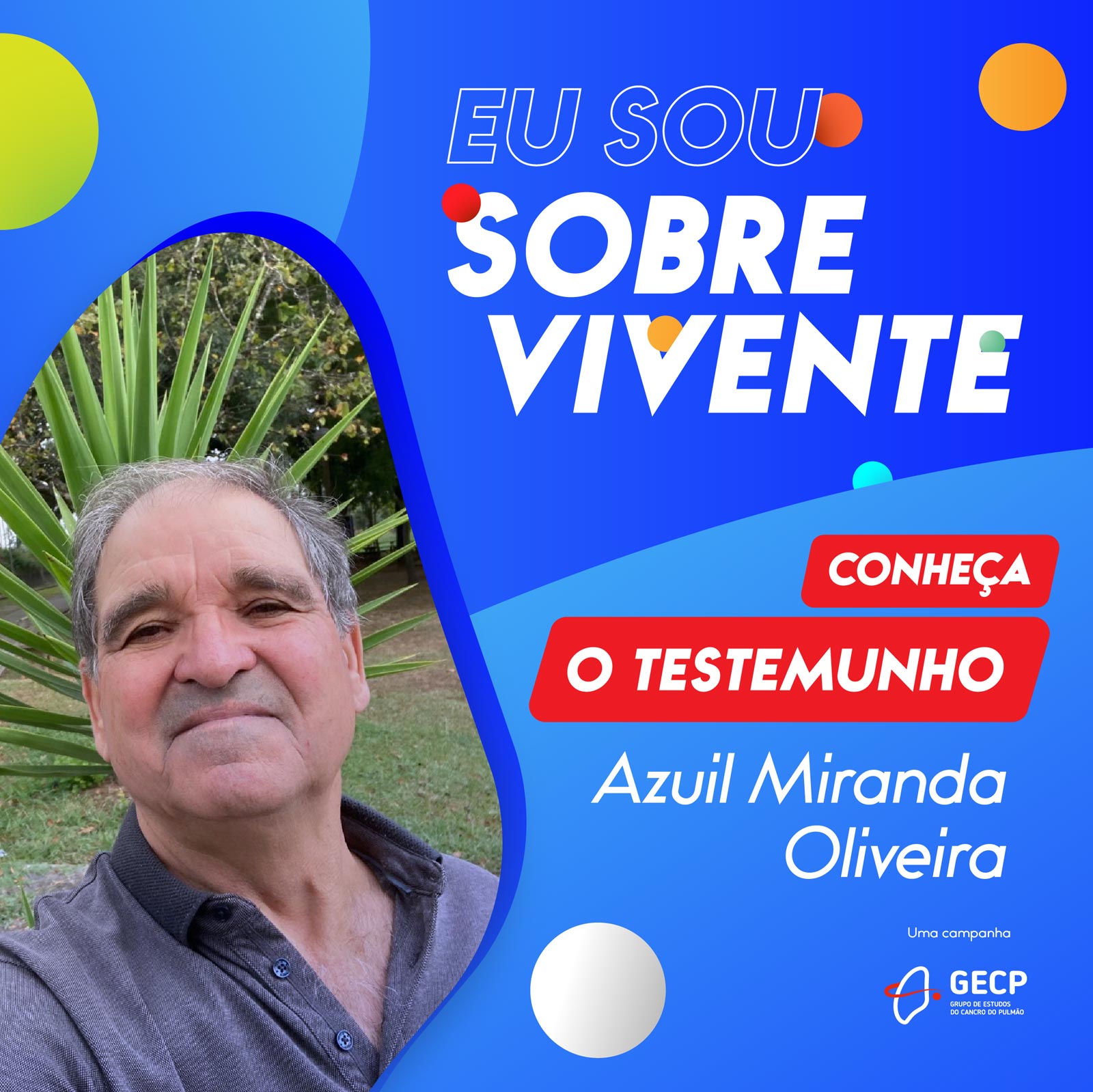
As part of the “I am a survivor” campaign, promoted by the Lung Cancer Study Group (GECP), we share the story of Azuil Miranda Oliveira. Diagnosed in 2014, at age 60, Azuil gives us a first-person account of the abrupt discovery of the disease, the harshness of cancer treatments, and how science, psychological strength, and love for his family guided him on a journey of overcoming that has already spanned more than a decade.
Going back to before April 2014, what was your daily life and what were your plans like at age 60?
I was a normal worker and enjoyed life without thinking about what awaited me. For me, everything was easy, it was a real bed of roses.
Do you remember any specific symptom or warning sign that led you to seek medical attention?
Yes. There was a month when I caught a cold three times, and because of that, I went to my family doctor, who prescribed several courses of antibiotics. In the third cycle, seeing that it wasn’t working, she ordered other tests that led me to a pulmonologist for lung tests. These tests didn’t show anything, because I was breathing very well. The situation only changed when I went to Aveiro for an urgent X-ray. The technician who performed the exam told me it wasn’t conclusive, but that there was a dark mass in my lung and that I should immediately go to my family doctor to ask for a CT scan. That same day, I left Aveiro, always alone, had to get a referral, and went to have the CT scan. I got the results that same day and went to the pulmonologist. He saw what I had in the exam—a small ball of more than two centimeters attached to my lung and pleura—and told me: “Azuil, if you want to be treated, forget the family doctor, you’re already in my care. Within eight days you have to be operated on.”
How was it going through that whole initial process alone?
That’s precisely what helped me gain more strength, because it also put my abilities and resilience to the test. Since it was my problem, I wanted to be the first to know and only then share the matter with other people. Although no one could take the suffering away from me or anyone else, I wanted to be the first to know and I didn’t want anything hidden from me. And, in fact, it was a journey in which, to this day, no one has ever hidden anything from me, because I never allowed it.
A lung cancer diagnosis always has a big impact. Do you remember how you received the news?
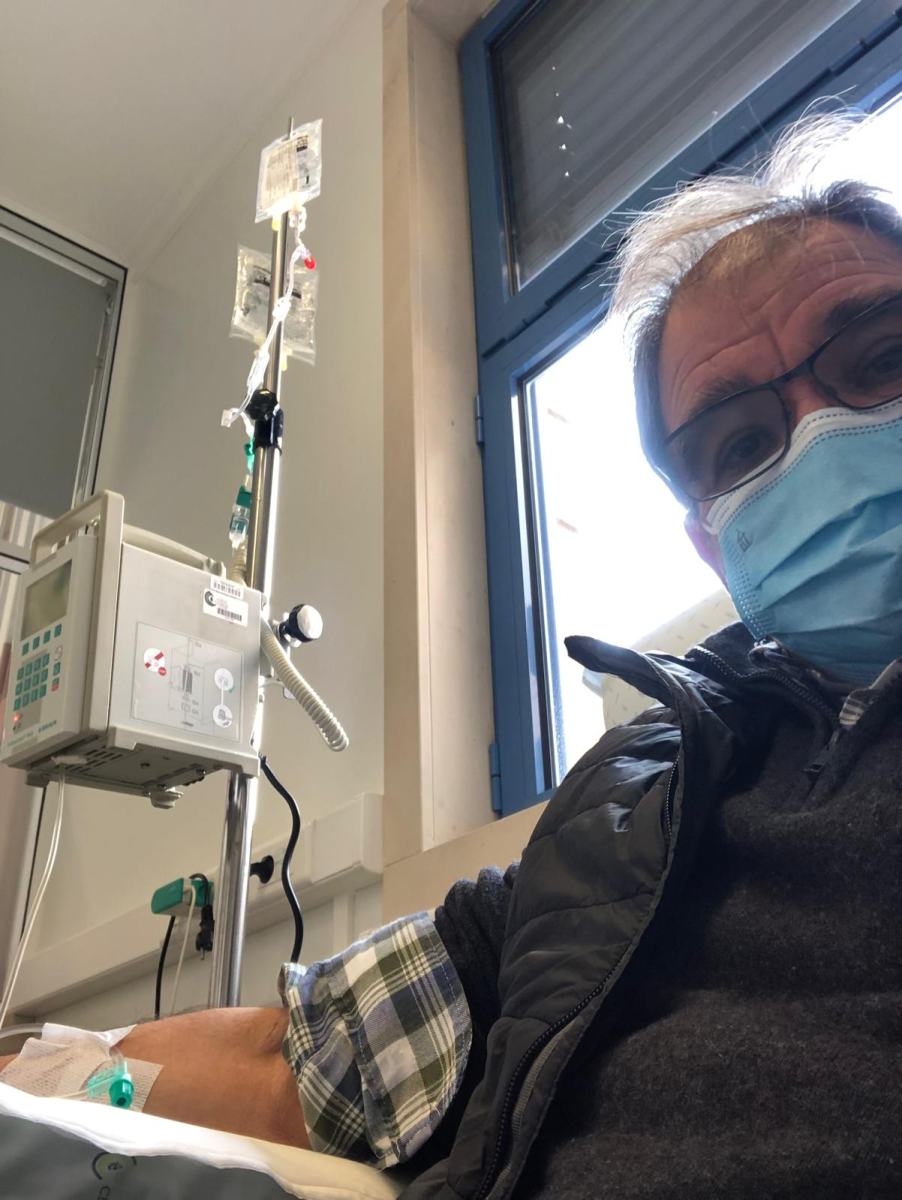
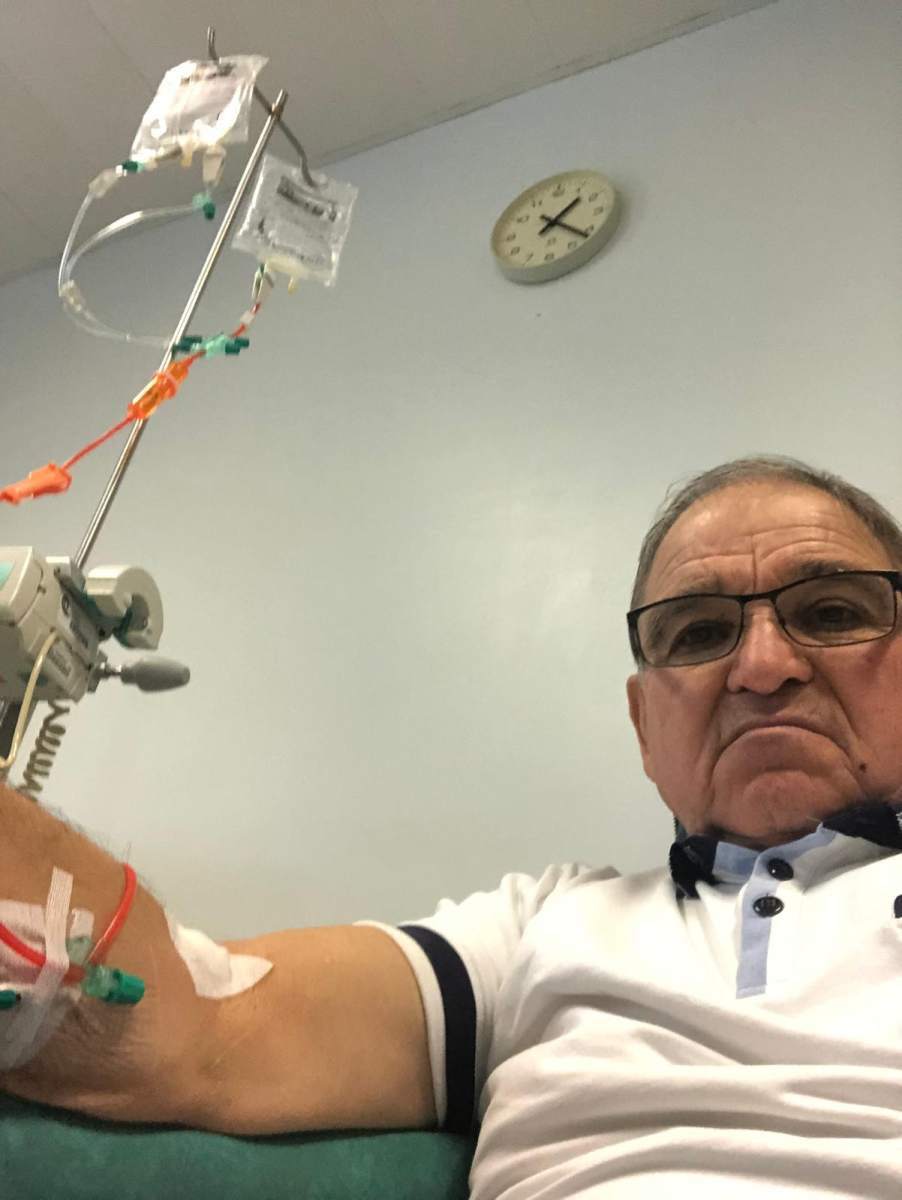
I thought it would be easy and I would get over it very quickly, but it wasn’t. It was all very difficult and everything happened the opposite of what I thought. I was hospitalized on April 10, 2014, and the next day I was already undergoing surgery. About a quarter of my left lung had to be removed, as well as all of my pleura on the left side. The disease was already in an advanced stage. Furthermore, later on, the metastases that remained after the operation spread to my right lung, so I had to undergo chemotherapy cycles. Despite everything, I believe I was very lucky.
During your time in the hospital and the subsequent stages of treatment, where did you find the strength to overcome fatigue or discouragement?
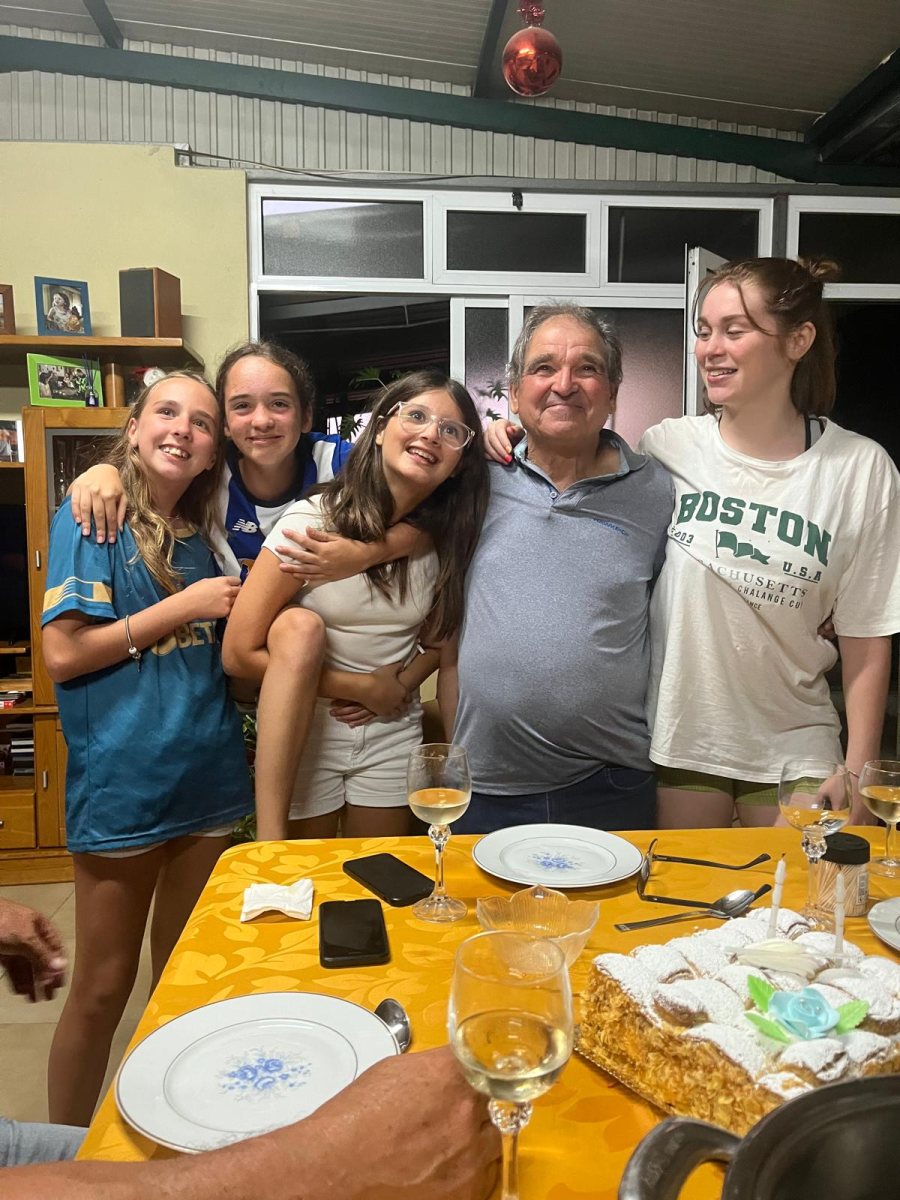
The recovery process was very difficult, as I could barely breathe, to the point where even drinking a glass of water became difficult. It was also a period when I didn’t want to receive any visitors. I sought strength in my two granddaughters, whom I already had at the time. They were very young, and I felt they needed to see their grandfather for many more years, just as I needed to see them. I also sought psychological help. This is very important: all patients who go through this should not think they are heroes alone, because they are not. We have to seek a lot of psychological help and lean on our family, who are with us and who suffer as much or more than we do.
How would you describe the role of the healthcare professionals who have been with you since day one and the impact they have had on your process?
They were like gods who appeared to me and became part of the family. I still keep in touch with my doctor, Dr. Alice Pêgo, who accompanied me for several years during chemotherapy and who is now retired. In fact, when she retired, Dr. Alice wrote in the patient protocol that they should continue the research for my case, based on the tissues that were removed from me. However, this research allowed them to detect what my malignant cell was and what it does. Therefore, I am currently taking a six-milligram medication in the morning and another six at night, which is specifically targeted to that cell. Since then, we have been doing control CT scans and the last exam was a PET scan, which showed that everything is stable.
It has been 12 years since that hospitalization in April 2014. What was it like on the day the doctors confirmed that the surgery and treatments were successful?
It was great. But we, cancer patients, always live in a climate of fear. If we feel a cold or pain, we immediately think it’s the cancer bothering us again. This climate of fear doesn’t go away. I had the feeling that I was well and that I had been well cared for, but no one took away the fear; it lives inside me.
It is often said that an experience of this magnitude forces us to redefine priorities. What do you value in life today that you perhaps didn’t give so much importance to before?
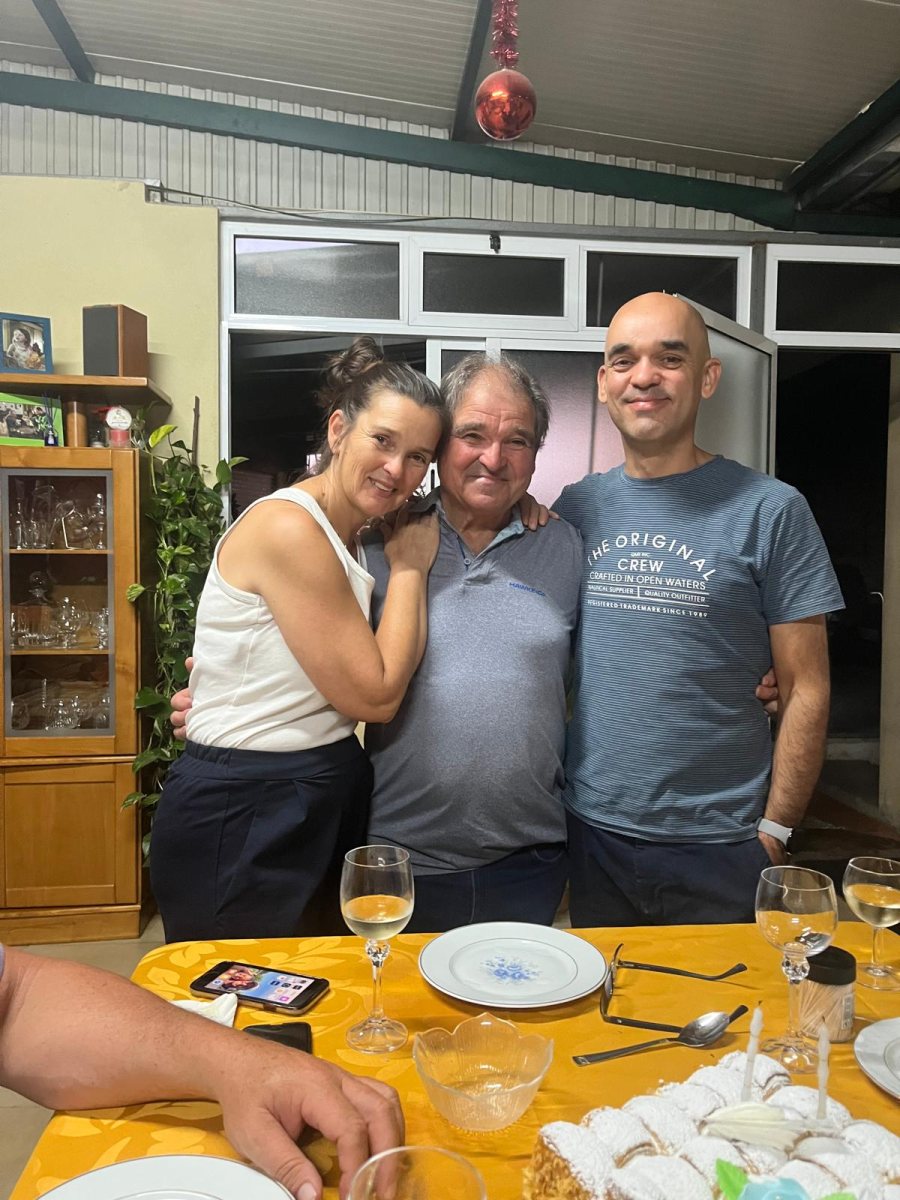
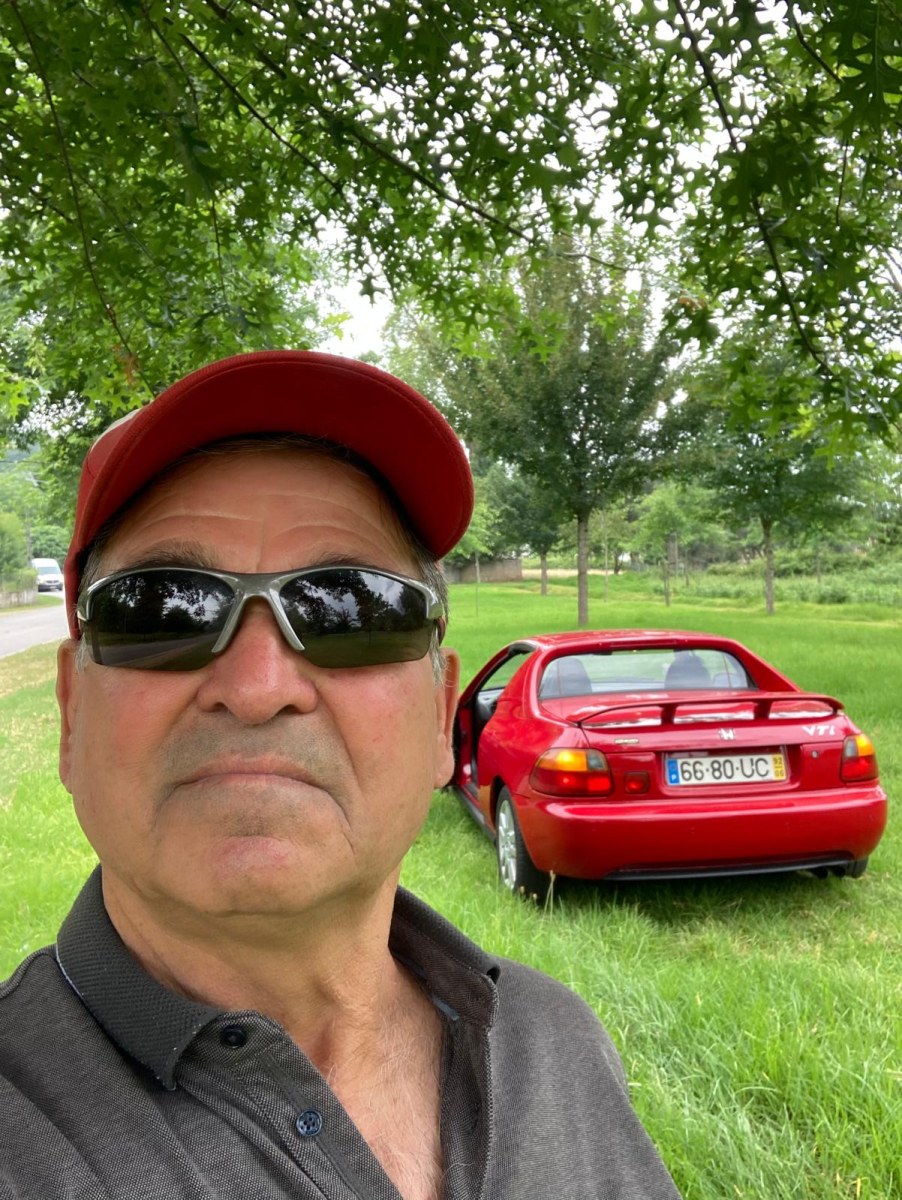
I value everything. From a simple flower to a growing tree. I value family even more and I am much more attentive to obstacles that may arise. Everything has changed in my life and in my mind, for the better. I became attached to music and studied with a teacher for a year to learn to play the cavaquinho. Currently, I play in a ranch, where I am responsible for the strings, and I also sing in another group near me. In addition, I bought a sports car that I was very happy to have, thus fulfilling a desire of mine.
What do the three words of our campaign, “I am a survivor,” mean to you?
I am, in fact, a survivor. I was a man who didn’t give up; I don’t consider myself a hero, but I consider myself a very strong person. And it was because of all that strength that I managed to survive. That’s why I want to share my testimony with more people, because I want to help.
What message of strength would you like to leave for those who have recently received this diagnosis and their families?
First of all, we have to trust in Medicine. In addition, we have to prepare ourselves psychologically to be able to endure this whole process. Finally, regardless of the stage of the process you are in, take care of your medication, but never give up on life. Our life is a precious gift and we have to take care of it with the same care we would give to a baby, something that is very valuable.